Easy Pumpkin Dessert: Beginner-Friendly Quick Recipes to Try
Table of Contents
Table of Contents
Easy pumpkin dessert recipes only feel “easy” when they explain the missing logic—especially pumpkin moisture. If you’ve ever mixed a batter that looked too thin, baked it anyway, and ended up with something gummy or oddly dry, you didn’t suddenly forget how to bake; you were handed unexplained recipes.
What You’ll Learn:
- How to spot (and fix) pumpkin moisture issues before they ruin texture
- Which dessert styles are naturally forgiving, and why
- How to choose a recipe that matches your time, tools, and attention level
- The fastest troubleshooting moves that prevent a full re-bake
If you want the deeper “why” behind pumpkin behavior (and how it plays out in structured doughs), the ultimate pumpkin oatmeal cookies guide is the best foundation to build on.
Why “easy pumpkin dessert” recipes still fail
An easy pumpkin dessert can still flop if the recipe is written like you can read the developer’s mind. Pumpkin is moisture-heavy, and small differences in puree thickness can shift a recipe from “set and slice” to “wet center forever” without warning. (That’s why some bakers intentionally remove moisture for denser, chewier results.)
Here’s the gap most quick lists skip: they tell you what to do, but not what “right” looks like at the decision points. This guide is built around visual markers and built-in-forgiveness recipes—desserts that still work when your pumpkin is slightly wetter, your oven runs a little hot, or your “1 minute” mix turns into 3.
The one thing that makes an easy pumpkin dessert work: moisture control
Pumpkin contains a lot of water, and that water turns to steam during baking—steam changes structure and can push a dessert toward cakier, fluffier, or sometimes just under-set, depending on the formula.
In my own tests, the easy pumpkin dessert recipes that felt truly beginner-friendly had one common trait: they either don’t rely on precise evaporation (no-bake, fudgy, or high-structure bars) or they give you obvious checkpoints (spoon-coating batter, “still slightly jiggly” center). If you only take one skill from this article, take this: learn what “too wet” looks like before you bake.
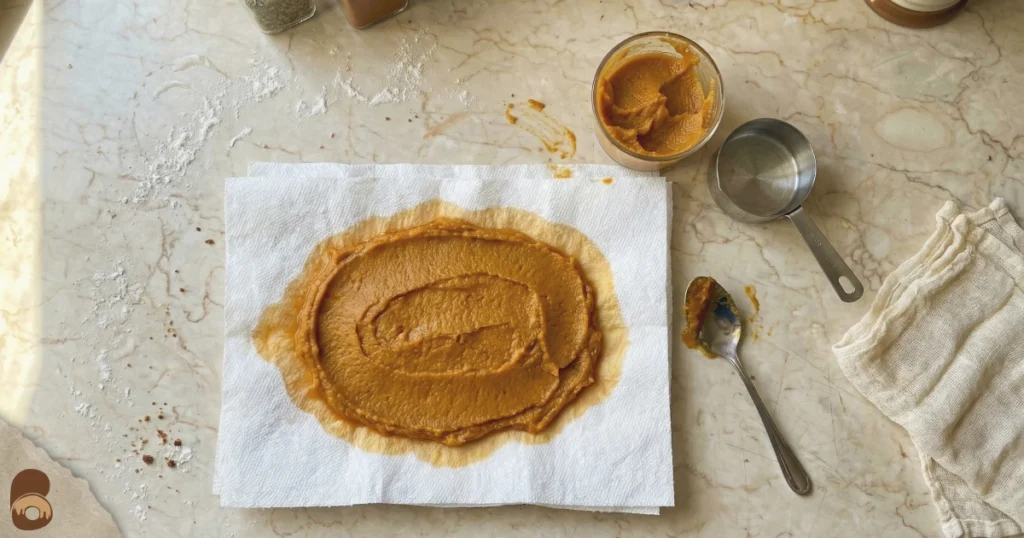
Quick, practical move when you suspect watery puree: blot or wring out measured pumpkin to remove excess liquid (paper towels work; cheesecloth works even better).
Easy pumpkin dessert ideas: 5 quick recipes that are forgiving on purpose
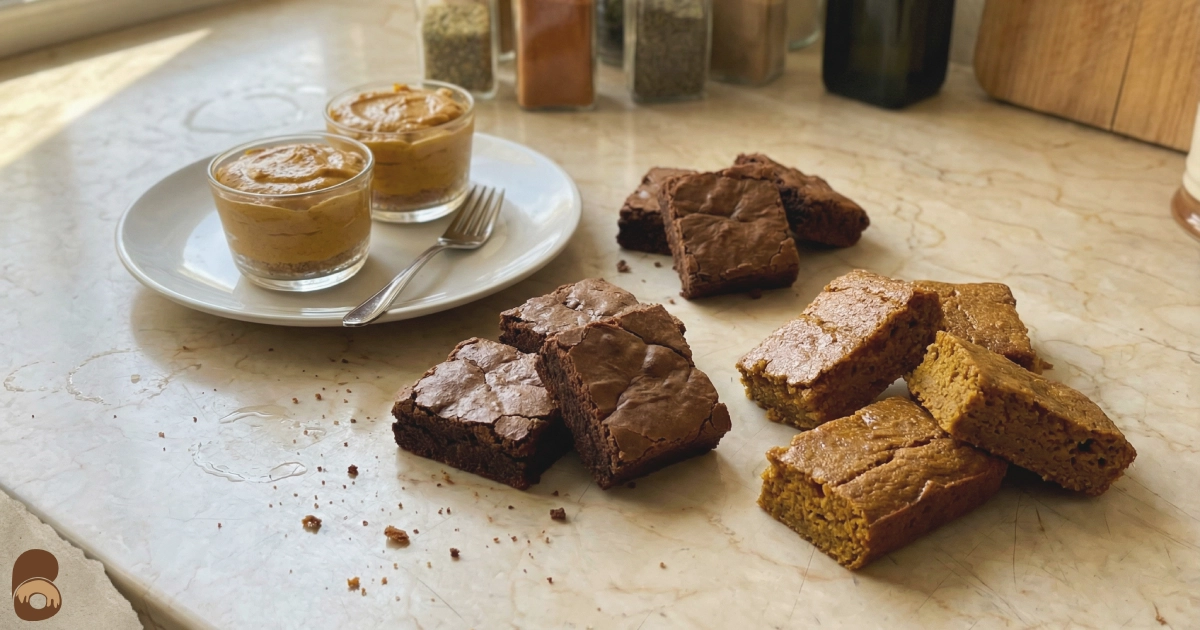
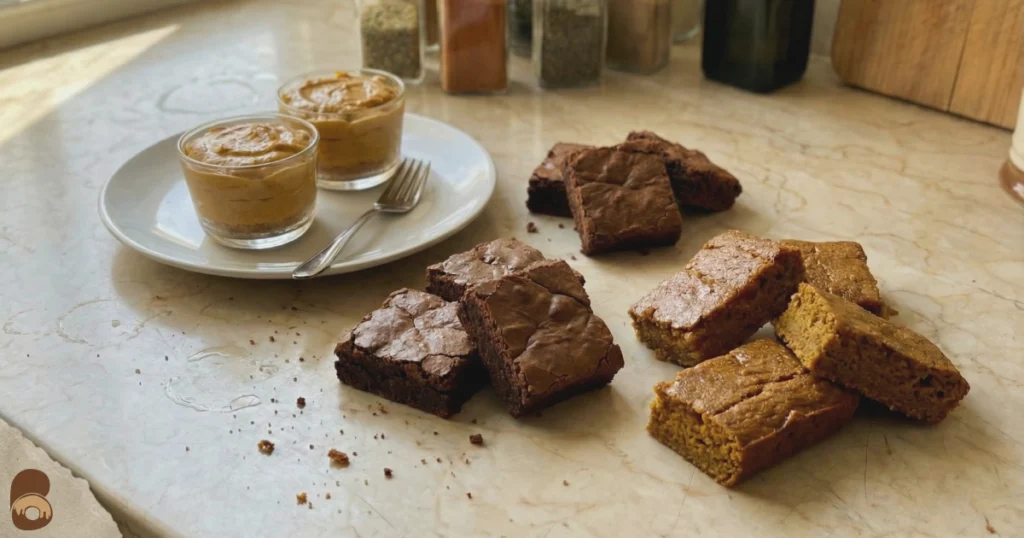
I’m not going to pretend every pumpkin dessert is equally beginner-friendly. These are the ones designed to survive real kitchens—because their texture goals naturally “hide” small moisture differences.
1) No-bake pumpkin cheesecake cups (most forgiving)
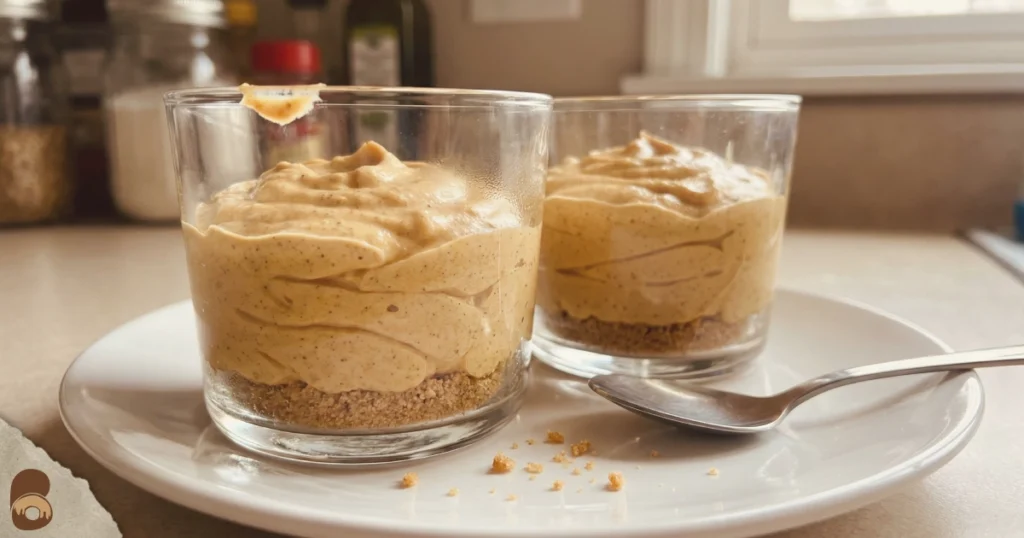
Why it’s beginner-friendly: It sets cold, so you’re not depending on oven timing to remove water.
What to watch for: Your mixture should look like thick, spoonable mousse; if it pours, add more cream cheese or chill longer.
One limitation (real): If your puree is very watery, the flavor can taste diluted—blotting helps.
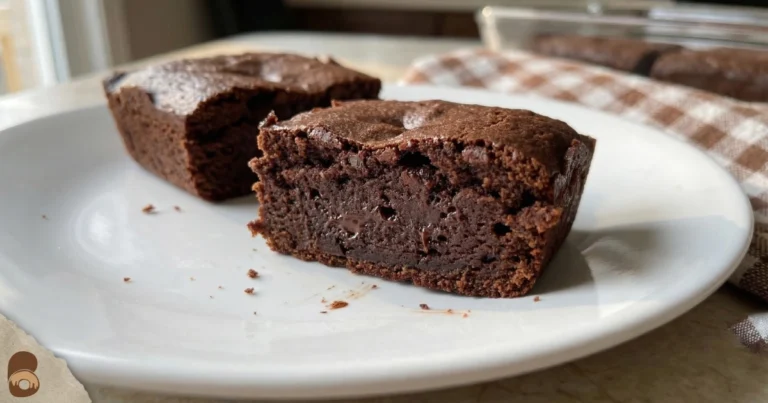
2) One-bowl pumpkin brownies (fudgy covers small mistakes)
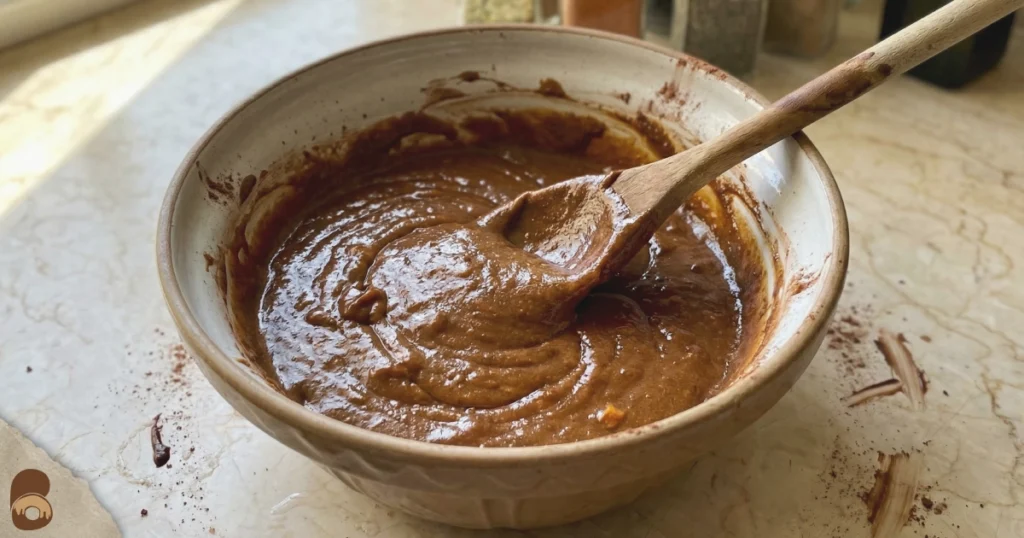
Why it’s beginner-friendly: A fudgy target texture tolerates extra moisture better than a “light and airy” cake target
What to watch for: The batter should be thick and glossy, not runny like pancake batter.
One limitation: Overbaking turns “fudgy” into dry fast—start checking early.
3) Pumpkin mug cake (fast feedback loop)
Why it’s beginner-friendly: Small batch means you see results immediately, so you can adjust next time without wasting ingredients.
What to watch for: Stop when the top looks set but still slightly soft in the center—microwaves keep cooking after you stop.
One limitation: Power varies wildly by microwave, so times are always approximate.
4) Pumpkin dump cake (minimum technique)
Why it’s beginner-friendly: You’re not relying on mixing skill; the structure comes from the dry mix + fat distribution.
What to watch for: You want a dry mix mostly moistened; if big dry pockets remain late in baking, drizzle a bit more melted butter.
One limitation: Texture is rustic—don’t expect a neat “cake crumb.”
5) Sheet-pan pumpkin bars (high structure-to-moisture ratio)
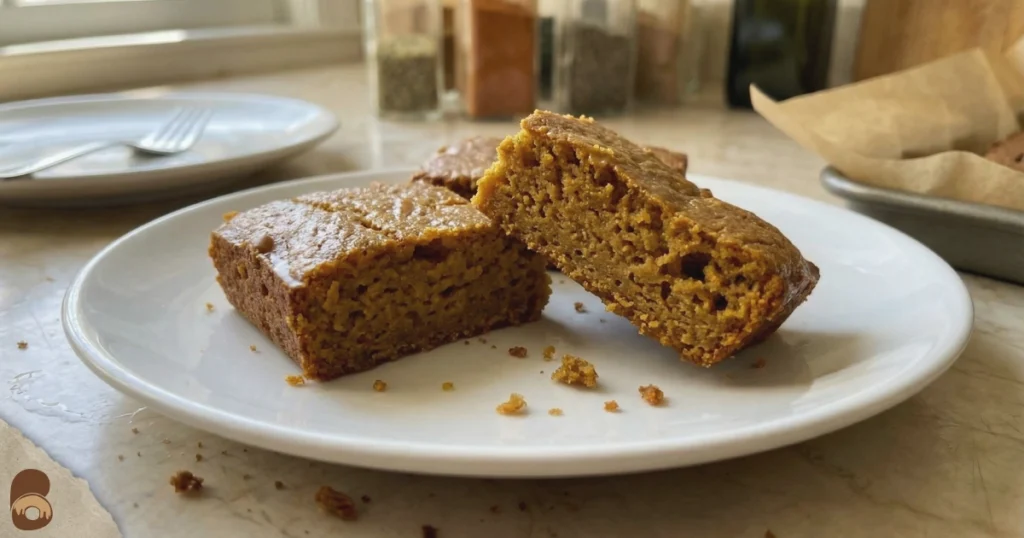
Why it’s beginner-friendly: Bar formulas usually have more flour/eggs relative to pumpkin, so the structure sets reliably.
What to watch for: A toothpick should come out with a few moist crumbs, not clean.
One limitation: Thin sheet-pan bars can overbake quickly on dark pans.
If you’re building a weeknight rotation, keep these organized with your easy pumpkin desserts cluster so you always have a “works even when life is busy” option.
Troubleshooting quick pumpkin desserts (catch it early)
If your easy pumpkin dessert didn’t turn out the way the recipe promised, the fix usually isn’t complicated—it’s usually one missing checkpoint.
- Problem: Batter looks thin and pourable.
Root cause: Pumpkin puree has excess liquid, so your wet-to-dry ratio shifted.
Fix: Blot/ wring the measured pumpkin, then remix; if you’re already mixed, add dry ingredients 1–2 tablespoons at a time until it coats a spoon. - Problem: The center stays gummy or won’t set.
Root cause: Too much moisture turned into steam and prevented a firm set.
Fix: Lower oven temp slightly and extend bake time so the center can set without the edges drying out. - Problem: Texture is dry and crumbly.
Root cause: Overbaking (common in “quick” recipes) or too much added structure to compensate for watery pumpkin.
Fix: Check earlier next time; for now, serve with a topping that adds moisture (whipped cream, yogurt, glaze).
For deeper texture pattern fixes (especially when you’re moving from bars/brownies into cookie dough territory), the troubleshooting logic in the pumpkin oatmeal cookies guide will feel familiar and useful.
Easy pumpkin dessert + the bigger pumpkin framework
This article is the “quick-results” side of pumpkin baking: recipes that succeed because they’re forgiving and built around clear visual cues. The pillar guide covers the full system—ingredients, ratios, technique decisions, and why pumpkin behaves the way it does when structure matters.
If you’re also collecting ideas by intent, keep your internal links consistent across these pages: easy pumpkin desserts cluster, pumpkin dessert recipes easy, and easy pumpkin dessert recipes. That consistency is what turns separate posts into a helpful map instead of a pile of options.
Easy pumpkin dessert FAQs
Q: Can I use pumpkin pie filling for an easy pumpkin dessert?
Not as a direct swap. Pie filling already has sugar and spices, so it changes sweetness and thickening; pure pumpkin lets the recipe’s ratios behave predictably.
Q: Do I need to blot pumpkin puree for easy pumpkin dessert recipes?
Only when the recipe depends on a firm set (chewy bars, dense brownies, some cookies). Blotting removes excess water and helps avoid a fluffy, cakey result.
Q: What’s the fastest way to dry out pumpkin puree?
Wring it in cheesecloth (or press it in sturdy paper towels) to remove liquid; you’re reducing water so the recipe sets with less steam interference.
Q: How do I know my pumpkin puree is watery?
If liquid pools on top or the puree looks loose and shiny, it’s likely wetter. Drying methods like wringing are designed for exactly this problem.
Q: Why do some pumpkin bakes taste weak even with spices?
Extra water can dilute flavor. Concentrating or drying puree increases density, which can make pumpkin flavor read stronger in the same slice or bite.
Conclusion: Pick an easy pumpkin dessert that explains itself
The best easy pumpkin dessert isn’t the one with the fewest ingredients—it’s the one that tells you what to look for so you’re not guessing. Control moisture (or choose a dessert style that doesn’t depend on perfect moisture), and the whole category gets more reliable.
Next time you want something fast, start with the no-bake cups or dump cake, then work toward bars once you’re comfortable reading batter thickness.
Keep creating pumpkin desserts. Follow @BakeOrbis on Pinterest for daily baking tips, troubleshooting guides, and techniques that actually work in real kitchens.
Share your experience and help others!
Tried this recipe? Leave a rating and make someone’s day tastier
Be the first to rate this recipe and help others discover it!